

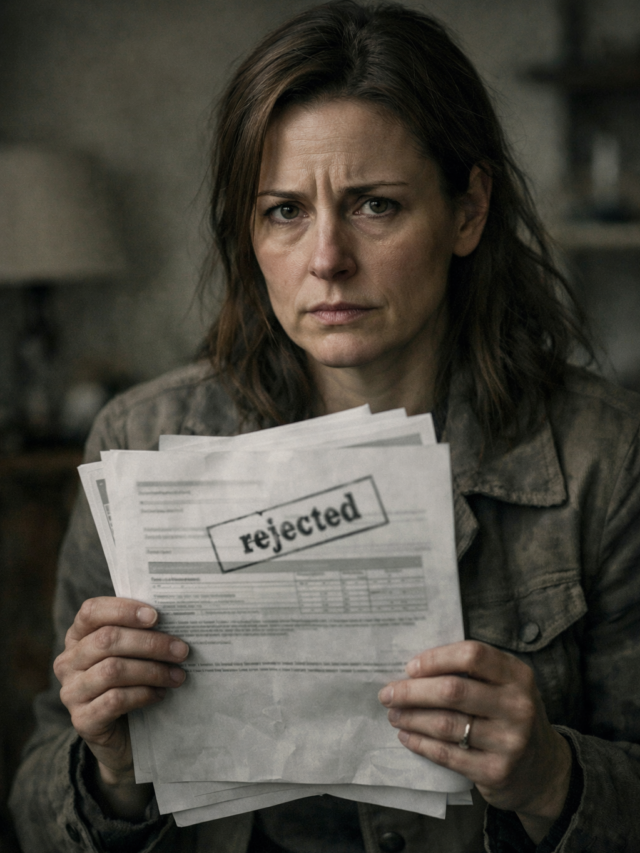



The Day a Tiny Lie Quietly Changed Everything About Their Future

Intro—The Kind of Moment People Ignore
Some days don’t announce themselves as important.
They look ordinary. They feel harmless. They pass quietly.
No arguments. No dramatic endings.
Just a small decision made easier by a tiny lie.
This is the story of one such day.
A day that didn’t ruin a relationship instantly.
But slowly changed how two people thought about trust, responsibility, and the future they had assumed would somehow take care of itself.
Because the truth is simple and uncomfortable:
Most lives don’t fall apart because of one big mistake.
They change direction because of many small ones.
Some decisions feel harmless in the moment — almost safe — until time reveals their true cost, much like a decision that once felt completely safe.
A Weekend That Looked Perfect from the Outside
Rhea believed weekends were meant to feel light.
Not productive. Not impressive. Just be calm.
She liked slow mornings, familiar cafés, and conversations that didn’t require explanations.
Aarav had always fit into that space easily.
They had known each other long enough to skip formalities.
“Brunch?” she had asked earlier that week.
“Of course,” he replied without hesitation.
Saturday morning arrived exactly as planned.
Except Aarav didn’t.
“15 minutes,” his message said.
Rhea smiled at the screen.
She had seen this pattern before.
What she didn’t see was Aarav sitting on his bed, phone in hand, avoiding a conversation he didn’t want to have.
He could have told the truth.
But the truth felt inconvenient.
So he chose the easier version.
Why Small Lies Feel So Easy
Aarav wasn’t lying to deceive.
He was lying to delay discomfort.
He had promised someone else his time.
He had promised Rhea his presence.
Choosing between the two felt unnecessary to explain.
So he didn’t.
That’s how small lies begin—not with bad intentions, but with avoidance.
By the time he reached the café, Rhea was already laughing.
“You exist,” she said. “I was starting to doubt.”
“Time works differently for me,” he joked.
And just like that, the moment passed.
What neither of them realized was that this small choice was quietly teaching them something about how they handled responsibility.
Conversations That Sound Casual but Aren’t
The café buzzed with familiar noise.
People talking about plans, holidays, and ambitions.
Rhea stirred her coffee slowly.
Aarav spoke quickly—too quickly.
She noticed.
“You’re distracted today.”
He shrugged. “Just tired.”
“Tired” was a safe word.
It didn’t invite questions about uncertainty, income, direction, or fear.
They talked about everything else instead.
Movies. Memories. Other people’s lives.
Because talking about others is easier than admitting you don’t fully understand yourself.
The Truth Has a Quiet Way of Appearing
The truth didn’t arrive dramatically.
It arrived casually, through a sentence that wasn’t meant to matter.
“I saw Aarav yesterday helping move furniture,” someone mentioned later.
Rhea didn’t react immediately.
She wasn’t angry.
She was thoughtful.
Why lie about something so small?
That night, she replayed the weekend in her head.
Not to accuse.
But to understand.
Because people don’t lie randomly.
They lie where they feel uncertain.

Sometimes, the truth doesn’t hurt immediately — it settles quietly, leaving questions behind.
When Comfort Turns into Distance
Sunday evening felt different.
The jokes were there.
The laughter, too.
But something had shifted.
A message flashed on Aarav’s phone.
Rhea recognized the name.
“You were busy yesterday,” she said softly.
Aarav froze for half a second.
“I didn’t think it mattered.”
That sentence stayed in the air longer than either of them expected.
Because “it doesn’t matter” is how people slowly disconnect from responsibility.
Small things don’t matter—until suddenly, they do.
Choosing Fun Over Conflict (For Now)
Rhea could have argued.
Instead, she smiled.
“Let’s play a game,” she said.
Aarav looked relieved.
“Truth Challenge. 24 hours. No editing.”
He laughed, unsure. But agreed.
Sometimes people accept honesty only when it’s disguised as fun.
A Day That Looked Like a Joke
The challenge started lightly.
Embarrassing confessions.
Silly admissions.
They laughed more than they had in weeks.
But slowly, the truth deepened.
Aarav admitted he avoided explaining things when he felt unsure about where his life was heading.
Rhea admitted she often pretended to be more confident than she felt.
Because confidence is easier to perform than stability.
The Moment Fun Turned Serious
In the middle of a failed cooking attempt, Aarav said something quietly honest:
“I think I’m scared of planning.”
Rhea looked at him.
“Planning what?”
“Everything. Career. Money. Future. Because once you plan, you can’t pretend anymore.”
That sentence didn’t sound dramatic.
But it was heavy.
Most people don’t avoid planning because they’re lazy.
They avoid it because planning forces accountability.

The Realization Nobody Prepares You For
That night, there were no games.
Just silence.
Rhea finally said,
“People think big disasters change lives.
But it’s usually small neglects.”
Aarav nodded.
Small lies.
Small delays.
Small avoidances.
They don’t destroy things immediately.
They quietly change direction.
What Changed After That Day
Nothing dramatic happened.
No promises.
No emotional speeches.
Just awareness.
They started talking differently.
More honestly. Less defensively.
About fears. About expectations. About responsibility.
Not because they had all the answers—
But because avoiding the questions felt riskier.
Why This Story Is Really About the Future
This isn’t a story about lying.
It’s about what happens when people postpone responsibility.
In relationships.
In careers.
In life.
Because the future doesn’t break suddenly.
It weakens slowly.

This was the point where the story stopped being about them—and started being about the future.
Moral of the Story
Most futures don’t change because of one big mistake.
They change because of small truths we keep postponing—until life collects interest on them.
Honesty and responsibility don’t limit life.
They protect it.
A Question Worth Sitting With
Think about your own life.
Is there a small truth you’re avoiding because it feels uncomfortable?
A decision you keep delaying because planning feels heavy?
Because one day, that delay will stop being small.
👉 If this story made you pause, share it.
👉 Read the related stories linked above.
👉 And ask yourself one honest question today.
Pingback: The Day a Magical Pen Quietly Changed Everything
Pingback: One Small Detail He Didn’t Recheck — And Paid for It Later
Pingback: Small Act, Big Meaning | A Simple Choice That Changed Everything