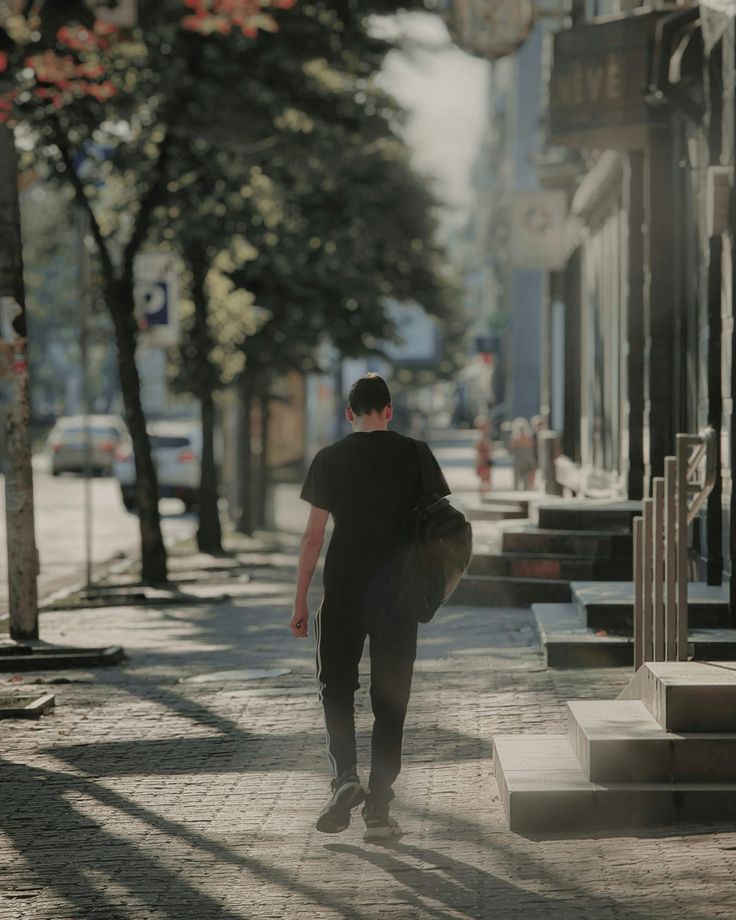
One Small Detail He Didn’t Recheck — And Paid for It Later
One Small Detail He Didn’t Recheck—And Paid for It Later

Introduction: The Kind of Mistake Nobody Notices
Most people imagine mistakes as loud moments.
A wrong turn.
A bad decision.
A clear warning was ignored.
But the most expensive mistakes don’t look dangerous at all.
They look harmless.
They sit quietly inside routines we trust.
This is not a story about carelessness.
It’s about familiarity—and the comfort that slowly dulls attention.
Because sometimes, all it takes is one small detail you don’t recheck.
What happened next didn’t feel important at the time…
The Morning That Didn’t Feel Important
Daniel woke up at 6:30 a.m., the same way he had for years.
The alarm tone was familiar enough to feel like background noise. He didn’t jump out of bed—he never did. He stretched, reached for his phone, checked the time, and scrolled through notifications without really reading them.
Nothing urgent.
That alone felt like success.
His apartment was quiet. The city outside was still waking up. Daniel made coffee, stood near the window, and watched traffic slowly increase below.
Life felt balanced.
Not exciting.
Not dramatic.
But controlled.
And control, Daniel believed, was the goal.
The Version of Life He Trusted
Daniel had built his life carefully.
He wasn’t reckless with money.
He avoided unnecessary risks.
He believed in preparation.
Friends often joked that he was “too careful,” but Daniel wore that label proudly. Careful people didn’t get surprised by life. Careful people didn’t panic.
At least, that’s what he believed.
There were systems in place. Documents filed. Decisions already made. Details already handled.
Or so he thought.
It reminded him of another decision that once felt completely safe…
The Detail That Felt Too Small to Matter
Three months earlier, Daniel had sat at the same desk he now worked from every evening.
A stack of documents lay open in front of him. Nothing complicated—updates, confirmations, routine paperwork. The kind people fill out when they’re tired but confident.
He skimmed more than he read.
He paused briefly at one section.
Not because it looked wrong—but because it looked boring.
“I’ll recheck this later,” he said quietly.
Later felt safe.
Later felt responsible.
And then his phone buzzed. A message. A distraction. Dinner plans.
The moment passed.
Why “Later” Feels So Comfortable
Human brains crave closure.
Once we believe something is done, we mentally file it away. Reopening it feels unnecessary — even annoying.
Daniel wasn’t lazy.
He wasn’t careless.
He was confident.
And confidence is dangerous when it replaces attention.
He filed the document. Closed the tab. Moved on.
Life Proves Nothing Is Wrong
The weeks that followed were… normal.
Work continued.
Bills were paid.
Weekends passed quietly.
Nothing happened.
That’s what made the detail disappear completely.
If something is wrong, life usually tells us—right?
Daniel trusted silence.
The Illusion of Stability
Stability has a strange side effect.
It makes us believe tomorrow will behave.
Daniel felt secure because nothing unexpected had happened recently. His life felt predictable, and predictability felt like proof that everything was in order.
But predictability doesn’t confirm correctness.
It only confirms habit.
The Message That Didn’t Feel Threatening
The message arrived on a Wednesday afternoon.
No dramatic subject line.
No warning symbols.
No aggressive language.
Just information.
Daniel read it once while sipping coffee.
Then again, slower.
Something didn’t align.
Numbers felt off. A condition he assumed was settled… wasn’t mentioned the way he expected.
His first reaction wasn’t fear.
It was denial.
“This Must Be a Mistake”
Daniel told himself the same thing most people do.
“This has to be an error.”
Mistakes belong to systems, not to preparation.
Mistakes happen to people who don’t plan.
Daniel planned.
So he reread the message.
And then, reluctantly, he opened the old file.

The Moment the Past Becomes Heavy
The document looked exactly as he remembered it.
Same format.
Same sections.
Same small detail.
And there it was.
Clear.
Visible.
Unchanged.
The thing he never rechecked.
Daniel didn’t react immediately.
He just stared.
Because the truth wasn’t shocking—it was familiar.
He had seen this before.
He had chosen “later.”
The Cost Reveals Itself Slowly
The cost didn’t arrive all at once.
It unfolded in layers.
First confusion.
Then the calculation.
Then the realization.
Money was involved, yes. But money was the smallest part of the loss.
What hurt more was knowing this wasn’t fate.
It was attention.
It wasn’t the first time a small oversight had quietly changed the outcome.
The Emotion Nobody Talks About
Daniel didn’t feel angry at anyone else.
He felt embarrassed—quietly.
Embarrassed that he had trusted memory over verification.
Embarrassed that he had confused preparation with completion.
No one else knew yet.
But he did.
Nights Filled With “If Only”
That week, sleep didn’t come easily.
Daniel replayed the moment again and again.
Five minutes.
One pause.
One honest recheck.
The simplicity of the solution made the regret heavier.
Because big mistakes are easier to forgive.
Small ones haunt longer.
The Real Cost of Assumptions
Daniel realized something uncomfortable.
He hadn’t ignored the detail because he didn’t care.
He ignored it because everything felt fine.
And comfort dulls urgency faster than chaos ever could.
The Lesson That Changed His Habits
Daniel didn’t become obsessive.
He became deliberate.
He started rereading things he once skimmed.
He stopped trusting “I’m sure” and started asking, “Did I confirm?”
Not because he was afraid.
Because he understood something new.
Confidence Is Not Protection
Confidence feels good.
But confidence doesn’t protect outcomes.
Attention does.
Daniel learned that stability without awareness is just delayed risk.
What Changed Afterward
Life didn’t collapse.
It adjusted.
Daniel paid the price—financially and emotionally—but he gained clarity.
And clarity, he realized, was lighter than false security.
Why This Story Isn’t About Paperwork
This story isn’t about documents.
It’s about the moments we stop checking because life feels calm.
It’s about the belief that silence means safety.
It doesn’t.

The lesson didn’t come with noise. It arrived quietly.
Moral of the Story
Big failures rarely come from big mistakes.
They come from small details we trust too easily—because life feels stable.
Attention is not paranoia.
It’s protection.
Pause Before You Scroll
Before you move on, ask yourself one question:
Is there something you’re assuming is already handled—just because nothing has gone wrong yet?
Because sometimes, the cost doesn’t arrive immediately.
It arrives later.
Quietly.
👉 If this story felt familiar, share it.
👉 And take two minutes today to recheck one small thing.
Some lessons don’t arrive loudly. They appear the same way in other stories too.